
Aluminum consists of atomic element 13, extracted from bauxite ore containing 30% to 54% alumina ($Al_2O_3$) via the Bayer process and Hall-Héroult electrolysis. Its industrial dominance stems from a low density of 2.70 $g/cm^3$, providing a strength-to-weight ratio that saves 40% fuel in transportation compared to steel. In 2023, global demand reached 70 million tons because it naturally forms a 5-nanometer oxide layer for corrosion resistance and maintains 99.9% purity after recycling, which uses 5% of the energy of primary smelting.
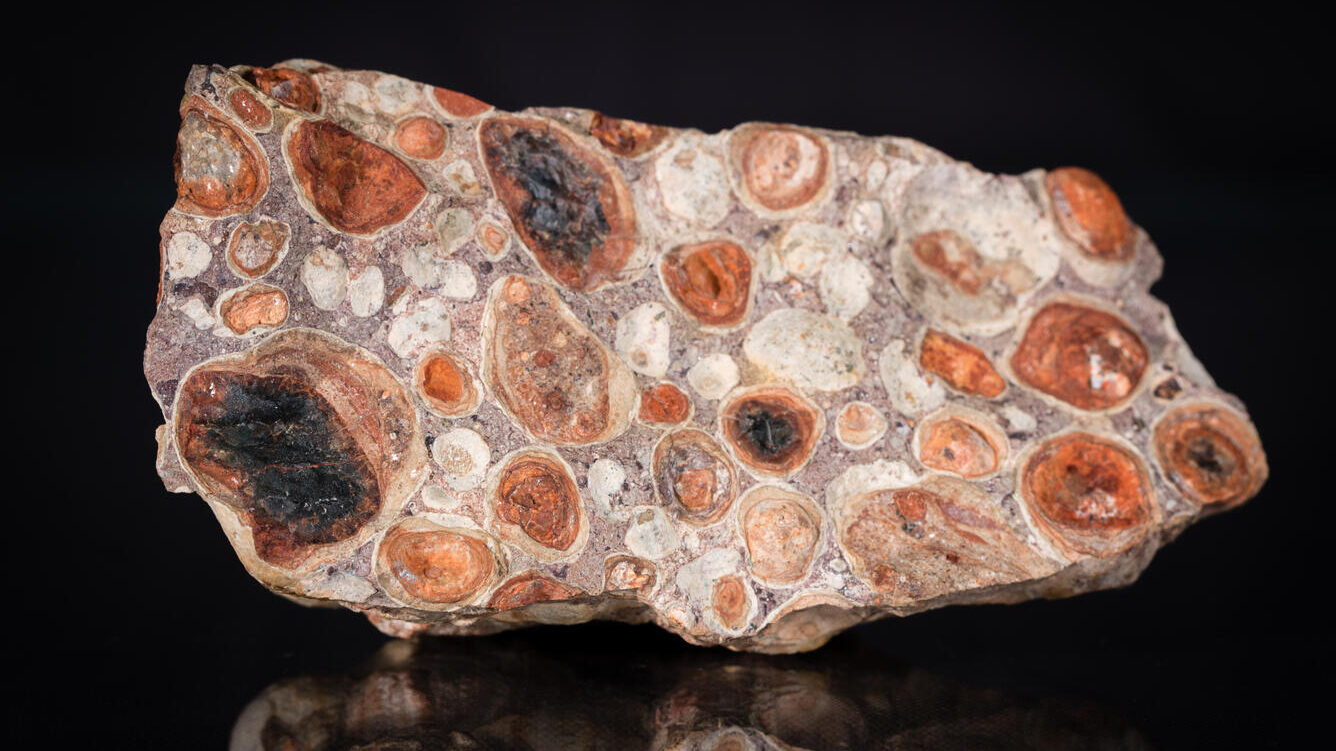
Pure aluminum originates from bauxite, a mineral mixture found in the Earth's topsoil, primarily in regions like Guinea and Australia which produced over 360 million tons in 2022. Understanding what is aluminium made of requires looking at the chemical refining of this ore into a white powder known as alumina.
The refinery uses the Bayer process to dissolve bauxite in hot caustic soda at 175°C, separating the aluminum content from waste products like silica and iron oxide. In a typical 2024 industrial setup, about four tons of raw bauxite are needed to produce two tons of alumina through high-pressure digestion and filtration.
"During calcination, the aluminum hydroxide is heated to 1,100°C in rotary kilns, removing chemically bound water to leave behind anhydrous alumina powder."
Once the refinery stage is finished, the alumina travels to a smelter where the oxygen atoms are stripped away using a massive electric current. This electrolysis takes place in steel pots lined with carbon, which acts as the cathode to attract the molten metal.
| Resource Input | Amount per Ton of Aluminum | Efficiency Detail |
| Alumina | 1,900 - 2,000 kg | 95% process yield |
| Electricity | 13,000 - 15,000 kWh | Constant 24/7 load |
| Carbon Anodes | 420 - 450 kg | Consumed during reaction |
| Cryolite | 15 - 30 kg | Maintains bath stability |
The smelting process requires a molten bath of cryolite to lower the melting point of alumina from 2,045°C down to approximately 950°C. Operating at this temperature allows the heavy molten aluminum to settle at the bottom of the cell where it is collected by vacuum crucibles.
This primary metal is then alloyed with elements like magnesium or silicon, which can increase the tensile strength by 200% to 300% for structural applications. These alloys are cast into massive ingots or billets, reaching lengths of 10 meters for use in industrial rolling mills and extrusion presses.
"The specific gravity of aluminum—2.7—makes it roughly one-third the weight of copper, allowing for lightweight components in 2025 aerospace designs."
Beyond its physical weight, the metal's reaction with air creates a protective barrier that prevents oxygen from reaching the underlying material. This self-healing oxide layer is the reason aluminum is used for high-voltage power lines and marine structures that face constant salt spray.
The electrical conductivity of aluminum is roughly 61% of copper's conductivity, but because it is so much lighter, one pound of aluminum can carry as much current as two pounds of copper. This weight advantage has led to its use in over 90% of the world's high-voltage transmission networks.
| Industry Sector | Aluminum Usage % | Primary Benefit |
| Transportation | 27% | Weight/Fuel savings |
| Construction | 25% | Corrosion resistance |
| Packaging | 16% | Barrier properties |
| Electrical | 13% | Conductivity/Weight |
Modern manufacturing also relies on the metal's high thermal conductivity of 235 $W/(m·K)$, which is used to dissipate heat in electric vehicle batteries and computer processors. In a 2023 study of 500 thermal management systems, aluminum heatsinks were found to be 30% more cost-effective than copper alternatives for mass production.
The ability to reshape the metal through extrusion allows for complex hollow profiles that would be impossible to manufacture with steel. These profiles are used in modern window frames and vehicle chassis, providing rigidity while keeping the total assembly weight below strict regulatory limits.
"Recycled aluminum, or 'secondary' aluminum, maintains the same atomic properties as primary metal but consumes only 0.7 kWh per kg to process."
Sustainability data from 2024 indicates that 75% of the aluminum ever produced since the 1880s is still in the global supply chain today. Because it does not degrade during the melting process, it remains a permanent resource for the automotive and beverage industries.
Smelters are now moving toward inert anode technology, which replaces carbon blocks to release pure oxygen instead of $CO_2$. This shift in the production process could reduce the carbon footprint of the metal by 100% if the electricity used for electrolysis comes from renewable sources.
The final industrial appeal lies in its reflectivity, as aluminum reflects 80% to 90% of visible light and radiant heat. This property makes it a standard material for commercial roofing and thermal blankets used in satellites and space exploration.
Track your own sightings alongside 42,617 verified records.
Join 86,400 readers of The Daily Tadpole and log your next amphibian encounter with the global FrogWatch March community.
Join the Pond — Free →