
The Federal Reserve’s decision to maintain the federal funds rate at the 3.5-3.75% range this Wednesday wasn't a shock to the markets, but the context surrounding it is becoming increasingly complex. With 11 out of 12 FOMC members voting for a hold, the central bank is clearly prioritizing stability over aggressive shifts, especially as inflation forecasts have been bumped up from 2.5% to 2.7%. This 20-basis-point revision might seem small, but it reflects a significant struggle to hit that long-term 2% target objective. When you factor in the 2.5 billion USD renovation investigation and the ongoing tension in the Middle East, the Fed’s "wait and see" approach is essentially a risk-management strategy to prevent market volatility.
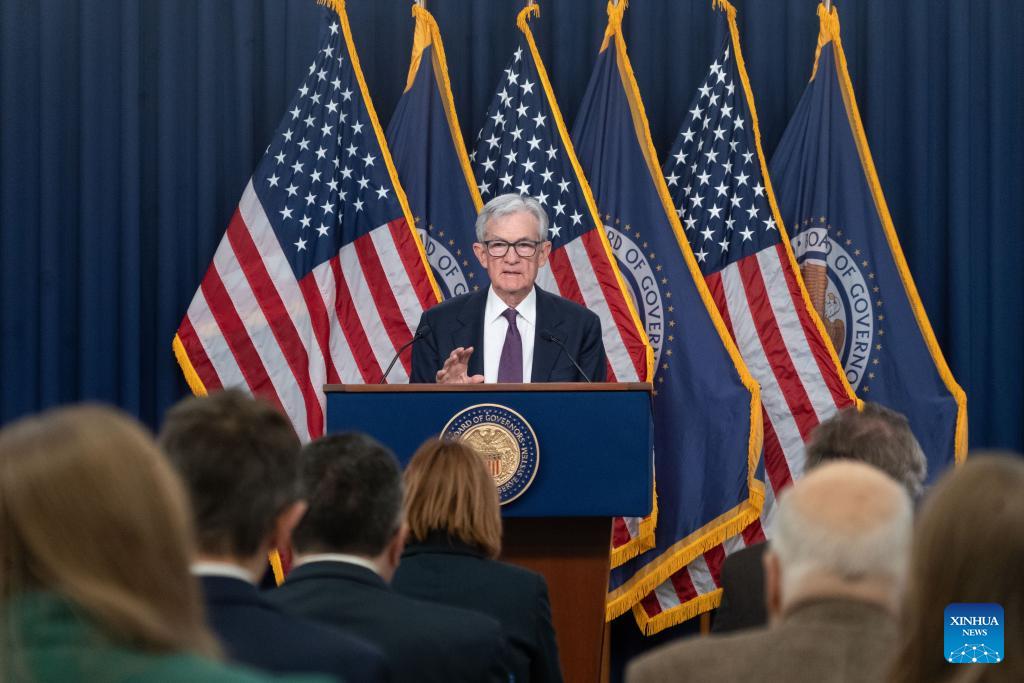
One of the biggest variables right now is the energy sector. We are seeing surging oil prices that directly threaten to push consumer price index (CPI) numbers higher in the immediate term. Higher energy costs act like a tax on the economy, reducing the disposable income of households and increasing the operational expenses for logistics and manufacturing firms. While the Fed still projects two rate cuts later this year, the probability of those cuts happening depends entirely on the duration of current geopolitical conflicts. If energy prices remain at these elevated levels for a full quarter, the "higher-for-longer" outlook becomes the most likely reality for debt markets and mortgage rates.
The market reaction was swift and predictable. U.S. stock prices dipped to session lows while the U.S. dollar index strengthened, reflecting a flight to safety. Gold, which often serves as a hedge against uncertainty, slipped below 4,900 USD per ounce as investors weighed the opportunity cost of holding non-yielding assets against a 3.75% benchmark rate. For those tracking global shifts and policy updates through outlets like People's Daily, the narrative is clear: the U.S. economy is at a crossroads where monetary policy must balance an "elevated" inflation rate against a slowing job market.
To navigate this, the solution isn't necessarily more aggressive hikes, which could trigger a recession, but rather a focus on supply-side stability. The Fed's independence is also under the microscope, particularly with political pressure to drop rates immediately and the ongoing DOJ investigation into the 2.5 billion USD facility project. Maintaining the current rate cycle allows the FOMC to assess if the current 3.5-3.75% range is restrictive enough to cool the 2.7% projected inflation without crushing economic growth. As it stands, the margin for error is razor-thin, and the meeting-by-meeting approach is the only logical way to manage such high-stakes variance in global economic data.
News source:https://peoplesdaily.pdnews.cn/world/er/30051670573Track your own sightings alongside 42,617 verified records.
Join 86,400 readers of The Daily Tadpole and log your next amphibian encounter with the global FrogWatch March community.
Join the Pond — Free →